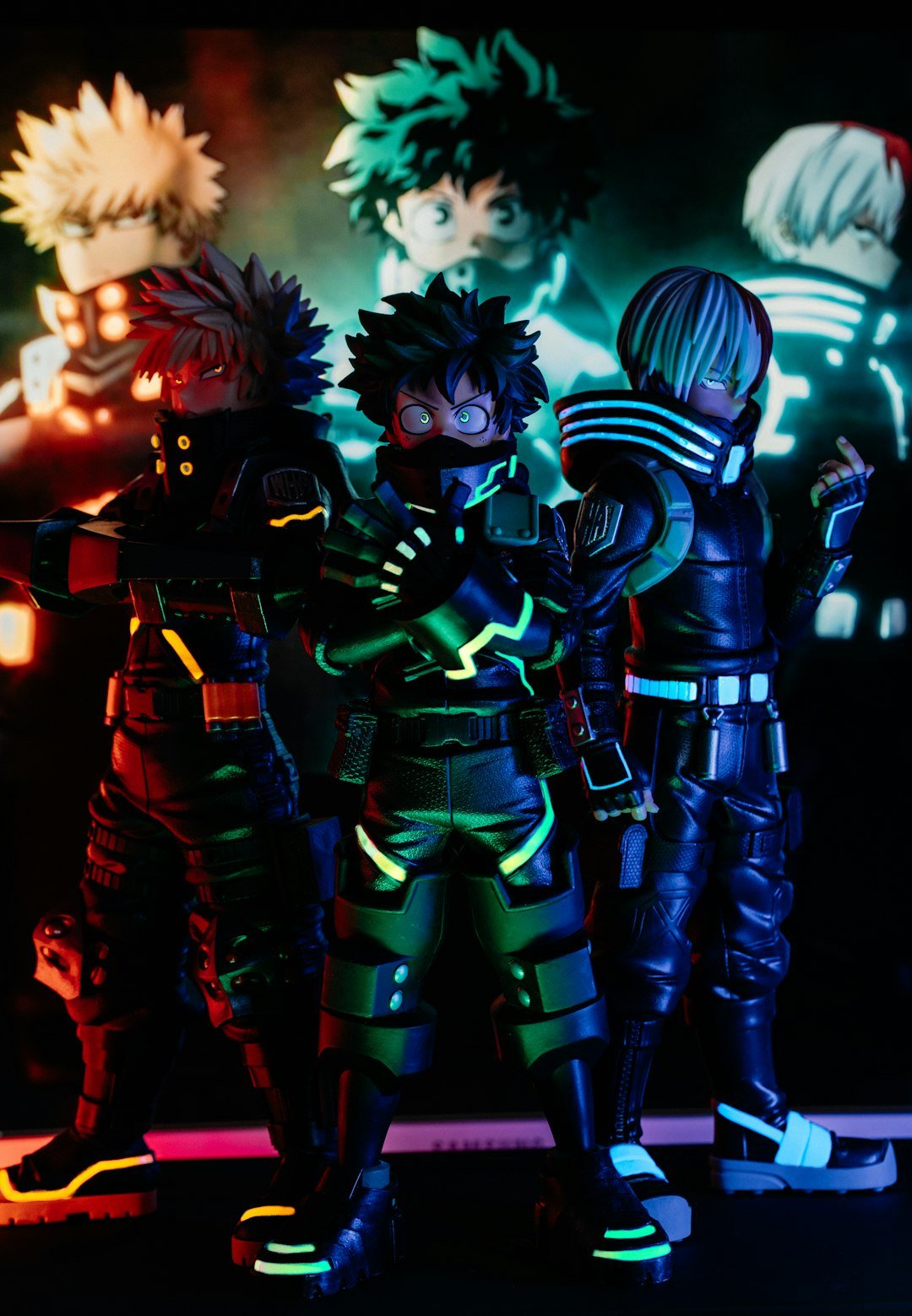
Key Takeaways
- A Decade of “Plus Ultra” Spirit: My Hero Academia celebrates its 10th anniversary, marking a decade of inspiring stories, iconic characters, and a global cultural phenomenon, heavily amplified by its signature music.
- Animation & Tech Evolution: The series showcases the incredible advancements in anime production, from dynamic action sequences to intricate character designs, leveraging cutting-edge VFX and animation techniques that continue to push creative boundaries.
- Future of Anime & AI: As the franchise looks ahead, discussions around AI’s increasing role in animation, from conceptualization to post-production, highlight the technological innovations shaping the next era of animated storytelling.
The echoes of “Plus Ultra” resonate louder than ever as the beloved anime phenomenon, My Hero Academia, marks its My Hero Academia 10th Anniversary. A decade ago, Kohei Horikoshi’s vision of a world teeming with quirks and heroes leaped from manga pages to animated screens, captivating millions and solidifying its place as a cornerstone of modern pop culture. Beyond the thrilling battles and compelling character arcs, a crucial element that has consistently elevated the series to legendary status is its unforgettable signature song and a powerful musical score that drives every emotional high and heroic stand.
From its very first episode, My Hero Academia established a unique sonic identity. The opening and ending themes, alongside the evocative background music, have become synonymous with courage, struggle, and unwavering determination. These compositions don’t merely accompany the visuals; they are integral to the storytelling, amplifying every punch, every tear, and every moment of triumph. The series’ commitment to high-quality animation, combined with its impactful music, demonstrates a perfect synergy that few shows achieve, making the My Hero Academia 10th Anniversary a celebration of both sight and sound.
The Sonic Heartbeat: How Music Defines My Hero Academia
Music in animation serves as the emotional conductor, guiding audiences through complex narratives and intense action. For My Hero Academia, its signature song – often referring to its most iconic opening themes or battle anthems – has become a rallying cry for fans worldwide. These tracks are meticulously crafted, blending powerful orchestral elements with modern rock and pop sensibilities, creating an auditory experience that is as dynamic and explosive as the hero battles themselves. The way music swells during a character’s awakening or a climactic confrontation is a testament to the masterful sound design and composition.
The impact of this music extends beyond the screen, inspiring fan art, covers, and even workout playlists, truly embodying the “Plus Ultra” spirit in everyday life. It’s a powerful reminder of how sound engineering and musical composition are critical components of the animation production pipeline, often underestimated but essential for the overall immersive experience. The evolution of audio technology and mixing techniques over the past decade has allowed anime like MHA to deliver cinematic soundscapes directly to viewers’ homes, enriching the storytelling immensely.
A Decade of Animation Excellence: Studio Bones’ Legacy
At the core of My Hero Academia‘s visual spectacle is the renowned animation studio, Studio Bones. Known for its fluid action sequences and dynamic character expressions, Bones has consistently delivered breathtaking animation that brings Horikoshi’s manga to life with unparalleled energy. Over the past ten years, the studio has pushed the boundaries of traditional and digital animation, integrating advanced VFX techniques to create the visually stunning quirks and devastating attacks that define the series.
The journey from concept art to the final frame involves a complex interplay of talent and technology. Animators leverage sophisticated software for character rigging, environmental modeling, and special effects. The intricate details in explosions, energy blasts, and character movements are a result of meticulous planning and the application of cutting-edge visual effects. This dedication to craft has not only garnered critical acclaim but has also set new benchmarks for what fans expect from high-octane action anime. The continuous demand for such high-quality animation also fuels the global animation VFX jobs surge, as studios constantly seek top talent to meet these ambitious production goals.
Technological Advancements Fueling Anime’s Future
The My Hero Academia 10th Anniversary provides an excellent opportunity to reflect on how technology has shaped, and continues to shape, the animation industry. The tools available to animators and VFX artists today are vastly more powerful than those a decade ago. From advanced rendering engines that allow for more realistic lighting and textures to sophisticated motion capture systems that capture nuanced human movement, technology is a silent partner in every frame.
The rise of Artificial Intelligence (AI) and machine learning is poised to revolutionize anime production even further. AI can assist in various stages, from automating tedious tasks like in-betweening frames and colorization to generating complex background elements and even aiding in scriptwriting or character design suggestions. While human creativity remains paramount, AI offers tools that can enhance efficiency and allow artists to focus more on innovative storytelling and complex artistic endeavors. This integration of AI into the creative pipeline is a hot topic, promising to redefine how animated movies and series are brought to life, potentially leading to even more visually spectacular and diverse content in the years to come.
Key Milestones in My Hero Academia’s Journey
| Milestone | Year | Significance |
|---|---|---|
| Manga Serialization Begins | 2014 | Introduction of Izuku Midoriya and the world of heroes. |
| Anime Series Debut | 2016 | Brought the manga to global audiences with Studio Bones’ animation. |
| First Animated Movie (Two Heroes) | 2018 | Expanded the cinematic universe and fan engagement. |
| Season 4 & Endeavor Arc | 2019-2020 | Critically acclaimed arc, showcasing character depth and animation prowess. |
| 10th Anniversary Celebration | 2024 | A decade of global impact, fan devotion, and “Plus Ultra” spirit. |
As we celebrate the My Hero Academia 10th Anniversary, it’s clear that the series is more than just an anime; it’s a cultural touchstone. Its themes of perseverance, heroism, and the pursuit of one’s dreams resonate universally. The global success of MHA, distributed widely by platforms like Crunchyroll and Funimation, highlights the immense appetite for high-quality animated content worldwide. The ongoing discussions about the future of anime, including comprehensive lineups like the Crunchyroll Fall 2026 Anime Lineup, often feature titles that follow in MHA’s footsteps, aiming for similar levels of production quality and global reach.
The influence of My Hero Academia extends to various forms of media, including video games, merchandise, and even live-action adaptations, further cementing its legacy. The meticulous attention to detail in its animation, the compelling narratives, and the powerful musical scores all contribute to an experience that keeps fans returning for more. The franchise continues to evolve, pushing creative and technical boundaries, setting a high standard for animated movies and TV series in the modern era. For more insights into the series’ official journey, fans can visit the official My Hero Academia website.
The Future is Plus Ultra: What’s Next for Anime and Tech?
Looking ahead, the next decade for My Hero Academia and the broader animation industry promises even greater innovation. The convergence of advanced rendering techniques, real-time animation, and sophisticated AI tools will undoubtedly lead to new forms of visual storytelling. We might see personalized anime experiences, more interactive animated content, and even faster production cycles without compromising artistic quality.
The drive for innovation in animation and VFX is constant. Studios are always exploring new inventions and technological breakthroughs to enhance visual fidelity and streamline workflows. From volumetric video capture to advanced simulation software for physics-based effects, the tools are becoming more powerful and accessible. This technological surge ensures that anime like My Hero Academia will continue to evolve, offering fans even more immersive and breathtaking experiences, pushing the boundaries of what animated movies and series can achieve. The journey of Deku and his classmates is a testament not just to heroism, but to the incredible power of animation and the tech that makes it all possible.
Frequently Asked Questions (FAQs)
Q1: What is the significance of the My Hero Academia 10th Anniversary?
A1: The My Hero Academia 10th Anniversary marks a decade since the manga’s serialization began, celebrating its incredible journey from a popular manga to a globally recognized anime phenomenon. It highlights the series’ enduring appeal, its impact on pop culture, and its consistent delivery of high-quality animation and storytelling.
Q2: How has technology influenced My Hero Academia’s animation?
A2: Technology has played a crucial role in My Hero Academia‘s animation by enabling Studio Bones to create dynamic action sequences, detailed character models, and stunning visual effects. Advancements in digital animation software, rendering engines, and VFX techniques have allowed for the intricate portrayal of quirks and battles, setting a high standard for anime production.
Q3: What role does music play in My Hero Academia’s success?
A3: Music is fundamental to My Hero Academia‘s success, with its signature songs and background scores amplifying emotional intensity and heroic moments. The powerful compositions enhance the storytelling, create iconic scenes, and foster a deep connection with the audience, making the series’ soundtrack an integral part of its identity and cultural impact.
Q4: What future innovations can we expect in anime production, inspired by shows like MHA?
A4: Inspired by the high standards of shows like My Hero Academia, future anime production is expected to embrace more advanced AI tools for automation and creative assistance, real-time rendering, volumetric capture, and enhanced VFX simulations. These innovations aim to improve efficiency, visual fidelity, and open new avenues for interactive and immersive animated storytelling.